
Metascience Seminars
The Metascience Seminars showcase advances in metascience, broadly defined, including work that examines how science works in practice and how it can be improved. Recordings of past seminars will be available on our YouTube channel.
If you are interested in presenting, please email Jan Feld (jan.feld@vuw.ac.nz).
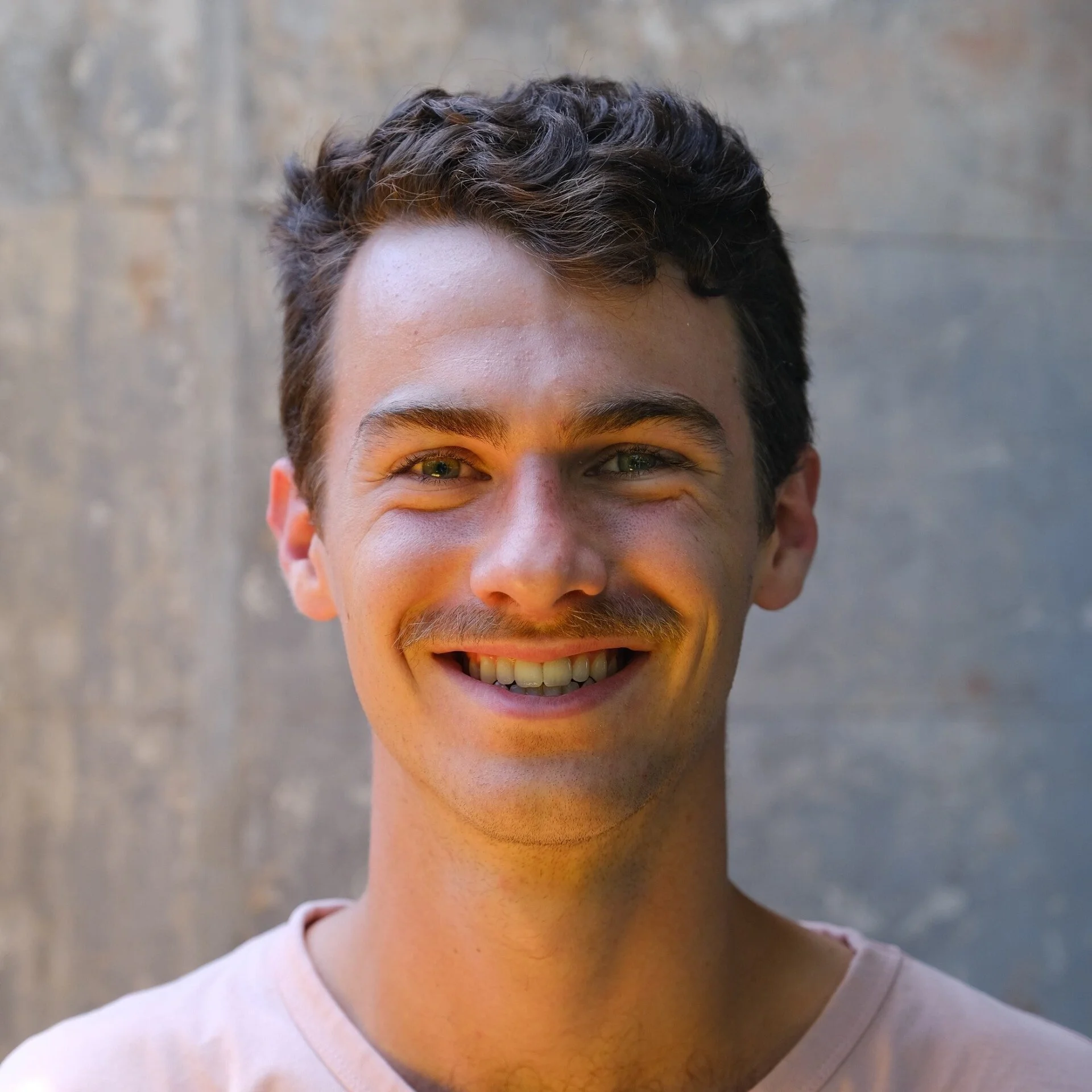
Seminar 1: When Might Correlation Be Causation? An Introduction to the Target Trial Framework
Speaker: Harrison Hansford (UNSW)
Watch: YouTube
Date and time: March 12, 2026, 11:00–11:45AM (GMT + 10)
Abstract: Many research questions about the effect of an intervention are unlikely to be answered with a randomised trial and decision-makers may then rely on observational data. However, as everyone knows, correlation does not always indicate causation. The target trial framework provides a principled way to design observational studies to reduce the risk of common biases introduced by study design. Harrison will introduce the target trial framework, illustrate how the approach has been applied in the medical literature, and briefly discuss TARGET - a reporting guideline designed to improve transparency, reproducibility, and methodological rigour in observational studies of interventions.

Seminar 2: Fake participants in human research
Co-badged talk with the NSW Health Statewide Biobank!
Speaker: Fiona Giles (Melbourne)
Links: YouTube
Date and time: March 25, 2026, 12:00–12:45AM (GMT + 10)
Abstract: An increasingly common challenge facing researchers is participants falsifying their identity or their experiences to participate in online research. Imposter participants pose a threat to the integrity of research data, requiring careful risk mitigation strategies. This presentation will: (1) present an overview of the ethical considerations when conducting online studies; (2) describe four projects (two quantitative; two qualitative) in which our team encountered imposter participants; and (3) outline the technical, manual and ethical strategies necessary to safeguard the integrity of research.
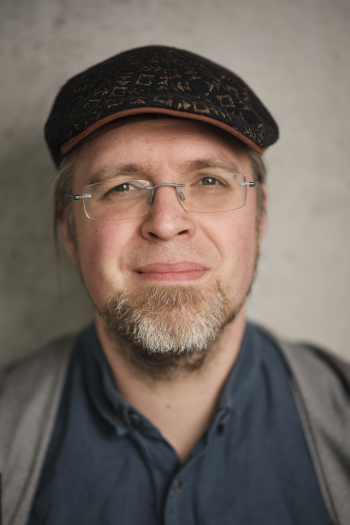
Seminar 3: How about „ERЯOR: A Bug Bounty Program for Science”?
Speaker: Malte Elson (Bern)
Links: YouTube
Date and time: April 23, 2026, 4:00–4:45PM (AEST)
Abstract: The scientific enterprise, as a human profession not immune to error, has developed several failsafe mechanisms (e.g., peer review) that also reflect one of its basic tenets: Science is self-correcting. However, these mechanisms are not purposely designed to catch errors, and often only do so long after errors have already proliferated in the literature. Most errors are discovered coincidentally, and error detection as a scientific activity is rarely incentivised. The project Examining the Reproducibility and Robustness of Research (ERЯOR) is a comprehensive program to systematically detect, report, and prevent errors in scientific publications modelled after bug bounty programs in the technology industry with two major goals: 1) Estimating a benefit-cost ratio of funding error detection, and 2) Obtaining robust empirical estimates of types of errors and their prevalence in the literature.
In ERЯOR, Investigators examine highly-cited published works (including study materials, data, and code) for errors and receive monetary compensation depending on the severity of their findings: the more impactful the errors, the greater the payout. Similarly, authors who agree to having their work examined this way receive compensation if their work proves to be reliable. A cost-benefit analysis of implementing ERЯOR on a larger scale will need to consider (1) running costs, (2) counterfactual costs (e.g., papers existing in the literature without having been purposely reviewed for errors), (3) consequential costs (e.g., further grants awarded building on flawed research), and (4) opportunity costs (other ideas not pursued instead of flawed research).
ERЯOR joins a range of proposals and measures to foster a culture that is open to the possibility of error in science, and that embraces a new discourse norm of constructive criticism.
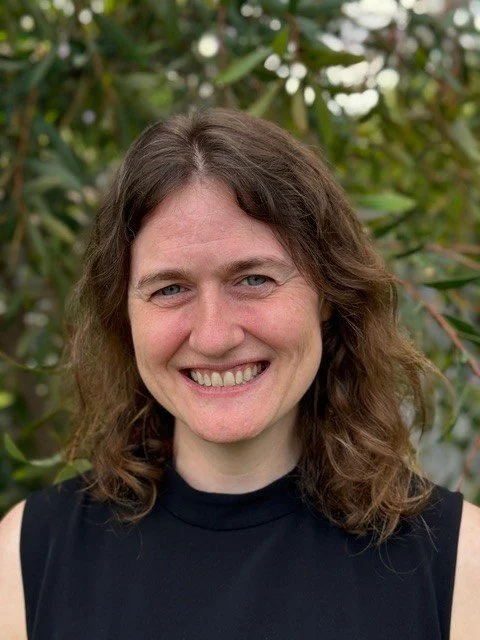
Seminar 4: Rethinking measurement validity
Speaker: Wendy Higgins (Melbourne)
Links: YouTube
Date and time: July 23, 2026, 4:00–4:45PM (AEST)
Abstract: Valid measurement is critical for empirical research. Yet, a growing body of literature suggests that validation practices in the social and psychological sciences are often highly inadequate. A lack of clarity about the concept of validity itself has been proposed as a contributing factor to poor validation practices. In this talk, I introduce a concept of measurement validity with three key features that I argue can facilitate improved validation practices. First, it is restricted to the question of what a test measures. This contrasts with influential guidelines from the American Psychological Association, which state that validity should be ascribed to interpretations of test scores for different test uses. Second, it is based on a necessary and, in principle, sufficient causal condition for valid measurement; and third, it makes an explicit distinction between the validity potential of measurement procedures (e.g., tests) and the realised validity of concrete measurement outcomes (e.g., specific sets of test scores).
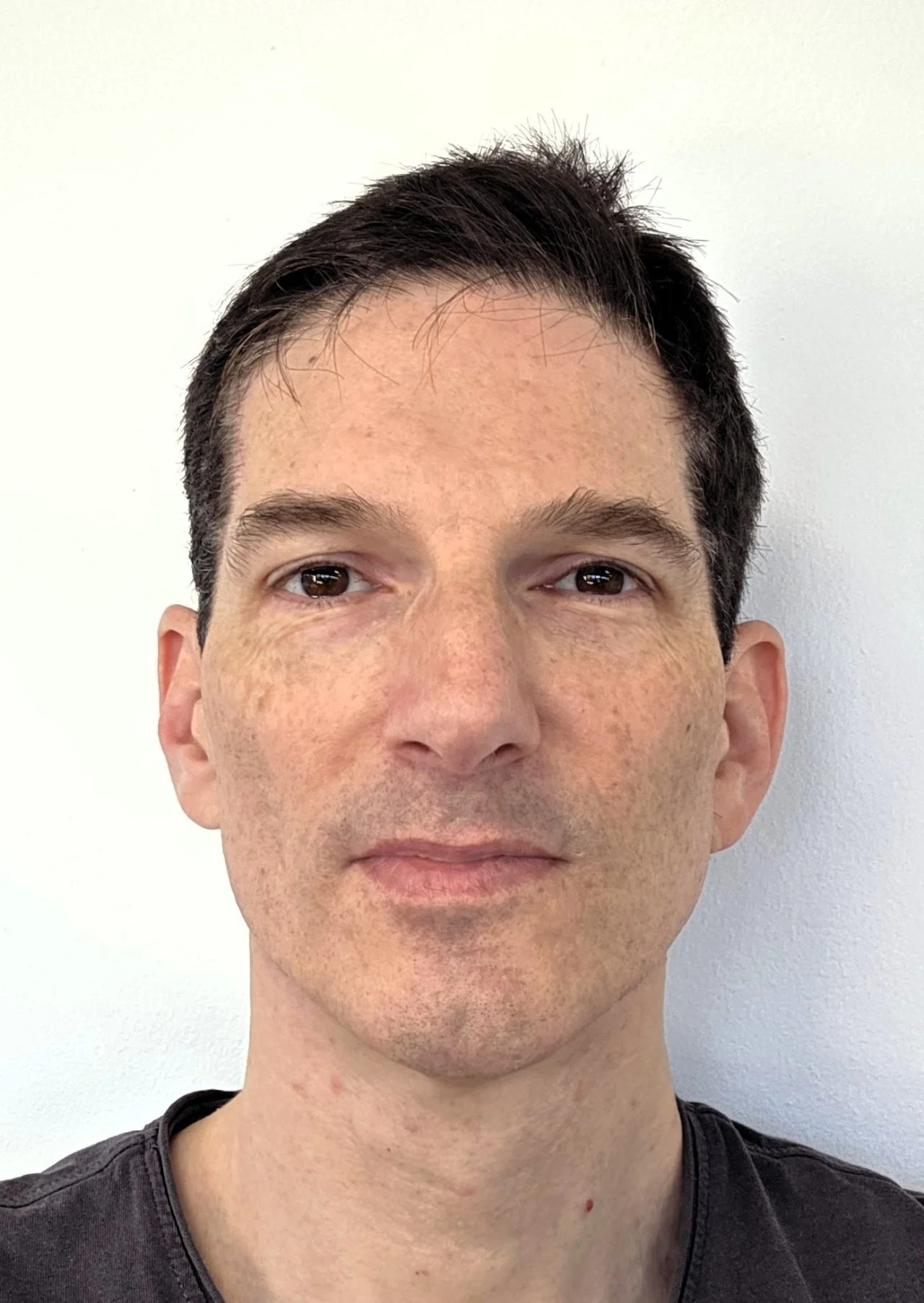
Seminar 5: Questioning Some Metascience Assumptions
Speaker: Mark Rubin (Durham)
Links: YouTube
Date and time: August 13, 2026, 4:00–4:45PM (AEST)
Abstract: Metascience uses a scientific approach to understand and improve the scientific approach! In this presentation, I question some common assumptions in modern metascience. For example, I question whether exploratory research is more “tentative” than confirmatory research and whether questionable research practices such as HARKing (hypothesizing after the results are known) and undisclosed multiple testing are problematic. I discuss these and other metascience assumptions and argue that they may not be as problematic as commonly assumed.

Seminar 6: The noisy gatekeeper: Measuring the reliability of peer review and testing a way to improve it
Speaker: Felix Holzmeister (Innsbruck)
Links: Register now!
Date and time: October 29, 2026, 9:00–9:45AM (AEDT)
Abstract: Virtually everything science “knows” has passed through peer review. It decides what gets published and – downstream – who gets believed, funded, and hired. Yet while open science has transformed how we report research, research evaluation has largely escaped the same scrutiny. So how well does science’s gatekeeper actually work, and could it work better? This talk presents two complementary attempts to answer these questions. The first is a diagnosis at unprecedented scale: drawing on 11.7 million reviews of 4.7 million manuscripts at more than 1,900 Elsevier journals, it asks how often reviewers of the same manuscript actually agree. The second is a treatment: a preregistered field experiment within a journal’s editorial process that redesigns what reviewers are asked to produce. Together, the studies put numbers on questions usually argued from anecdote: how much of peer review is signal and how much is lottery, what reviewer disagreement means for the false-positive and false-negative rates of editorial decisions, and which levers could make the gatekeeper better at its job. Some of the answers are reassuring; several are not.

Photo by Chris Montgomery on Unsplash